
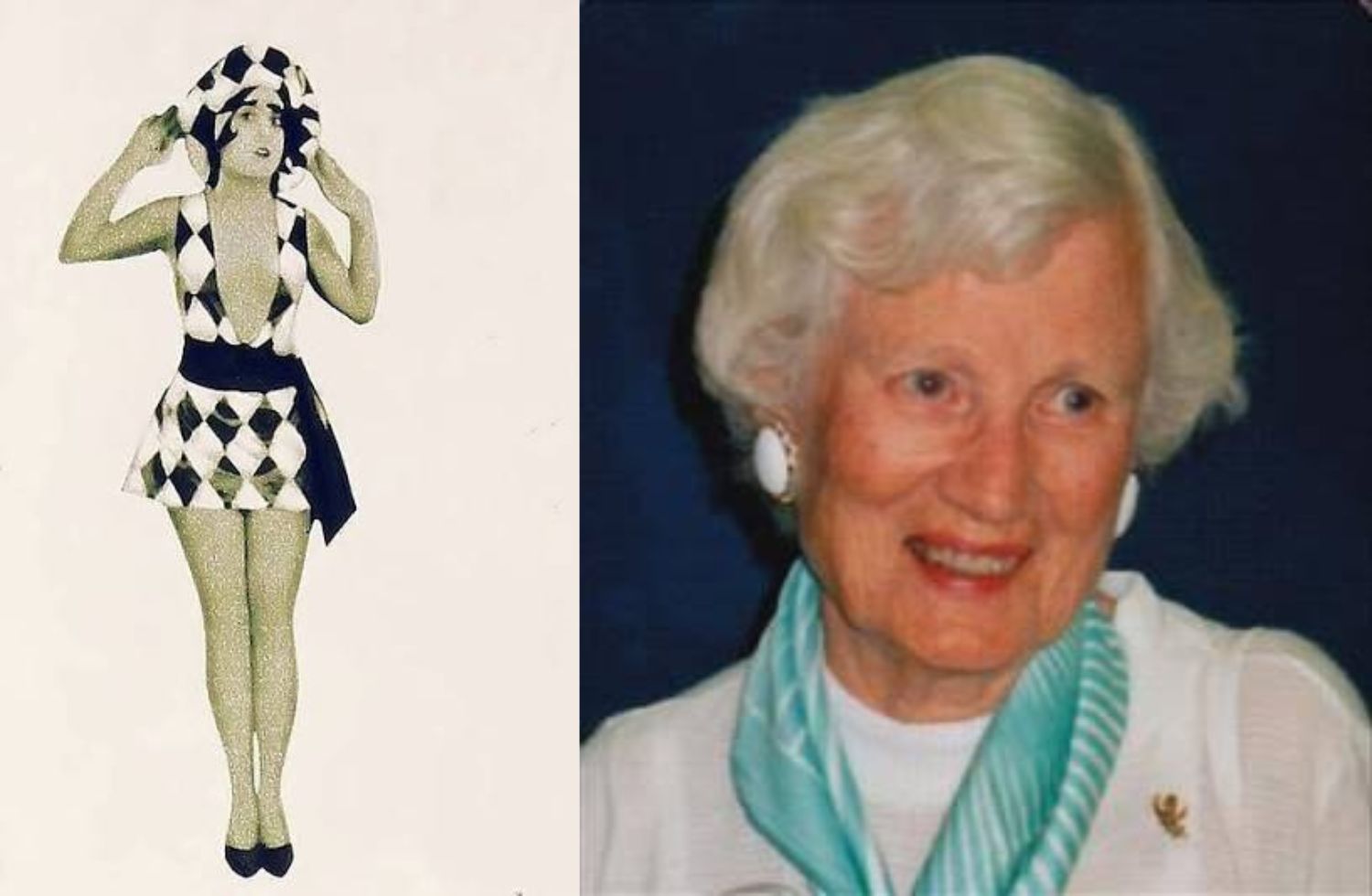
Muriel Montrose was an American actress, early stunt performer, and former Mack Sennett bathing beauty whose life connected the silent-film era with the later golden age of American television. Born Muriel Virginia Montrose on May 27, 1906, in Denver, Colorado, she entered entertainment while still a teenager after her family moved to California. At just 17 years old, she was reportedly discovered by producer Mack Sennett, becoming one of his famous bathing beauties. She also worked as a body double for silent-film star Clara Bow and later performed stunt work in Western movies. Although her own screen career was relatively brief, her story became especially notable because she was the mother of actor Tony Dow, best known as Wally Cleaver on Leave It to Beaver.
Muriel Montrose’s Early Life and Birth
Muriel Virginia Montrose was born on May 27, 1906, in Denver, Colorado, during a period when motion pictures were still developing into a major American entertainment industry. Available biographical records identify her parents as Alice Lee Anders and James Fay Montrose Sr., although detailed information about her childhood and education is limited. Her family later moved to California while Muriel was still a teenager, a change that proved important to the direction of her life. California was becoming increasingly associated with filmmaking, and the developing Hollywood industry offered young performers opportunities that were difficult to find elsewhere. Muriel eventually entered that environment and began working in entertainment at a remarkably young age. Her early years therefore coincided with one of the most transformative periods in American popular culture.
Moving to California as a Teenager
The move from Colorado to California helped place Muriel Montrose closer to the rapidly expanding film business. According to biographical accounts, her family relocated when she was a teenager, and she eventually became involved with Hollywood while still very young. The 1920s were a period when movie studios were attracting performers, dancers, models, and aspiring actors from across the United States. Silent films depended heavily on visual performance, and young women could find opportunities through modeling, comedy shorts, dancing, and extra work. Muriel’s path illustrates how entertainment careers could develop informally during this era. Rather than entering Hollywood through a modern talent-agency system, she was reportedly noticed by Mack Sennett, one of the most influential producers of early American comedy. That discovery changed the course of her young adult life.
Muriel Montrose and Mack Sennett
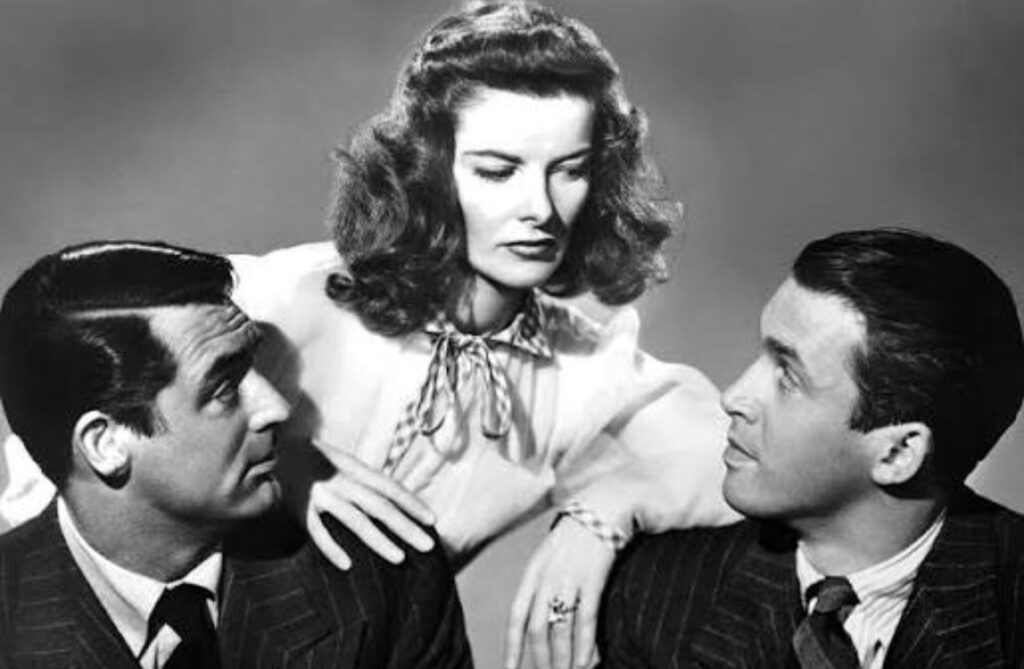
At approximately 17 years old, Muriel Montrose was reportedly discovered by legendary producer Mack Sennett and became one of his Sennett Bathing Beauties. Sennett was a major figure in silent comedy and helped launch or develop the careers of numerous performers during Hollywood’s formative years. His bathing beauties were young women featured in promotional imagery and comedy productions associated with his studio. For Muriel, the opportunity provided an entrance into the entertainment business at a time when film production was rapidly expanding. Her association with Sennett is now one of the most frequently cited facts in her biography. It also places her within a fascinating chapter of silent-film history, when studios often relied on short films, physical comedy, glamorous imagery, and performers who could adapt quickly to changing production demands.
Working as Clara Bow’s Body Double
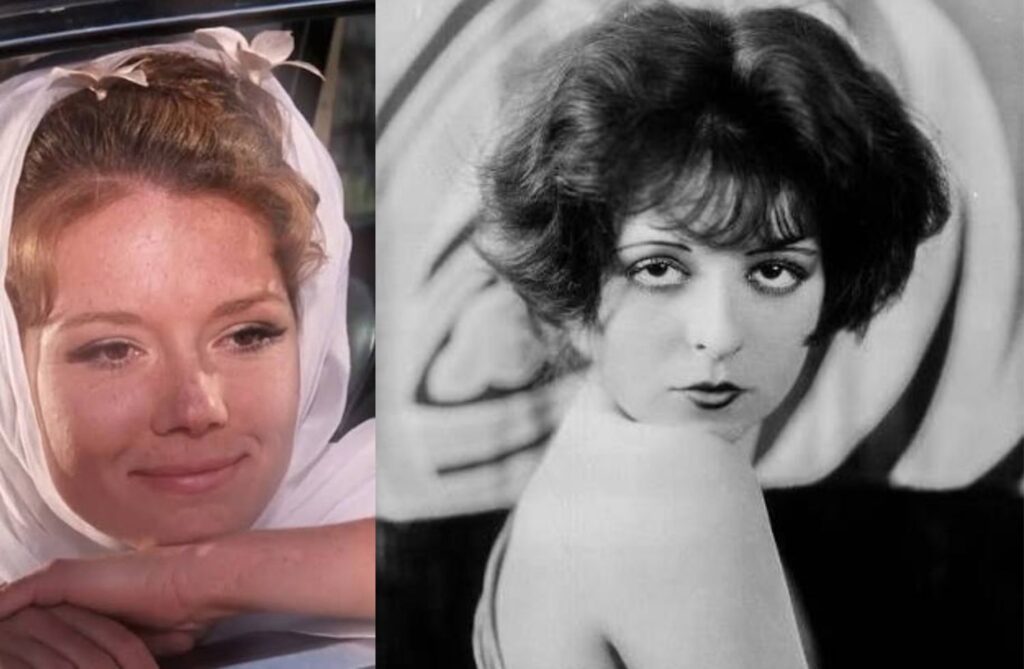
Another remarkable part of Muriel Montrose’s early career was her reported work as a body double for Clara Bow, one of the most famous stars of the silent-film era. Bow became known as the original “It Girl” and was among the most recognizable performers of the 1920s. Body doubles were sometimes used when a production required a performer who resembled the star from a particular angle or when physical action made it impractical for the leading actor to perform every shot. Muriel’s work in this capacity demonstrates that her abilities extended beyond conventional modeling or acting appearances. It also placed her close to one of the defining personalities of 1920s Hollywood. Although surviving records of her double work are limited, the connection remains an important element of her historical profile and illustrates the versatility required of early film performers.
Muriel Montrose’s Silent-Film Appearances
Muriel Montrose appeared in several productions during the silent-film period, although she never accumulated the extensive filmography of major stars. Her documented credits include Heart Trouble (1925), Soldier Man (1926), Hubby’s Quiet Little Game (1926), and The Jolly Jilter (1927). These productions reflect the short-form comedy environment that was common during the 1920s. Many performers worked across several productions without receiving prominent billing, and surviving records can be incomplete because numerous silent films have been lost or poorly preserved. Muriel’s appearances are therefore valuable partly because they provide a surviving record of a working performer from early Hollywood. Her career should not be measured solely by the number of titles attached to her name. Her work as an actress, double, and stunt performer shows that she participated in several aspects of early filmmaking.
The Jolly Jilter and Other Film Credits
The Jolly Jilter, released in 1927, is among the productions associated with Muriel Montrose. Her recorded role is described as a minor, uncredited appearance, reflecting a common feature of early Hollywood employment. Performers could contribute to a production without receiving the prominent screen credit audiences expect today. Her other recorded work includes Heart Trouble, Soldier Man, and Hubby’s Quiet Little Game, giving her a small but identifiable place within the surviving record of silent cinema. Modern databases list these titles as part of her acting filmography, while historical biographies also emphasize her physical-performance work. Taken together, the credits show that Muriel was not simply a photographic model. She was an active participant in a film industry that relied heavily on physical comedy, stunt work, improvisation, and short-form entertainment.
Muriel Montrose as an Early Stunt Woman
One of the most interesting aspects of Muriel Montrose’s career was her transition toward stunt work, particularly in Western films. Early stunt performers often worked without the recognition given to stars, even though their physical skills were essential to filmmaking. Westerns demanded horseback riding, falls, physical comedy, action sequences, and other dangerous activities that could require specialized performers. Muriel reportedly moved into this type of work after her early appearances as an actress and bathing beauty. Her involvement is historically significant because women working as stunt performers were already contributing to physical filmmaking long before the profession became widely recognized. The surviving record does not provide a complete list of her stunt credits, but biographical sources consistently describe her as a stunt woman in Western productions. That aspect of her career makes her story particularly interesting to early-Hollywood historians.
Muriel Montrose and Broadway
Muriel Montrose’s career was not limited entirely to Hollywood. Records from the Internet Broadway Database show that she appeared on Broadway in By the Way, which ran from December 28, 1925, through May 1926, and later in This Year of Grace, which ran from November 7, 1928, through March 23, 1929. These credits add an important dimension to her biography because they demonstrate that she had experience in live theatrical performance as well as film. Broadway during this era attracted performers from many areas of entertainment, and appearing there could provide valuable professional experience. Muriel’s Broadway credits also reinforce the idea that she was an adaptable performer rather than someone whose career was limited to a single type of role. Her work across stage, film, body doubling, and stunt performance reflects the flexibility demanded by entertainment professionals of her generation.
Muriel Montrose’s First Marriage
In 1927, Muriel Montrose married Ray Lloyd Ramsey, but the marriage was short-lived and ended in divorce. Available biographical records give the marriage period as January 29, 1927, to February 6, 1929, although some secondary biographies summarize it more simply as a brief marriage during the late 1920s. The relationship occurred during a period when Muriel was still connected with entertainment and before her later marriage to John Stevens Dow. Little reliable information is available about the couple’s private life, which makes it difficult to draw conclusions about the reasons for their divorce. What is clearer is that Muriel continued developing her personal and professional life after the marriage ended. Her next marriage would become much more significant in her long-term family story, eventually connecting her with two sons and, through one of them, a recognizable name in American television history.
Marriage to John Stevens Dow
Muriel Montrose married John Stevens Dow, a designer and general contractor, in the late 1920s or early 1930s. IMDb lists the marriage as beginning on February 11, 1930, while BroadwayWorld’s biography gives February 11, 1929, illustrating a discrepancy among secondary sources. The IMDb record identifies Dow as her husband until his death on May 30, 1987. The couple moved to the San Fernando Valley, where they raised their family and had two sons. This marriage marked a major transition in Muriel’s life from her youthful entertainment career toward family and motherhood. She nevertheless retained her connection to the entertainment industry through her later role as a manager for her son Tony Dow. Her family life consequently remained connected to Hollywood even after her own performing career had become less prominent.
Muriel Montrose’s Children
Muriel Montrose and John Stevens Dow had two sons, Tony Dow and Dion Stevens Dow. Of the two, Tony became by far the more publicly recognized because of his successful acting career. Muriel’s role as a mother became increasingly important as her own Hollywood work receded from the spotlight. Raising children in the San Fernando Valley also kept her close to the broader entertainment community of Southern California. The family connection became especially notable when Tony Dow entered television and achieved national recognition. Muriel was not simply his mother; biographical sources state that she later served as his manager, giving her a professional role in guiding his career. Her experience in entertainment may have provided useful familiarity with the industry, contracts, production environments, and the demands placed on young performers.
Muriel Montrose and Tony Dow
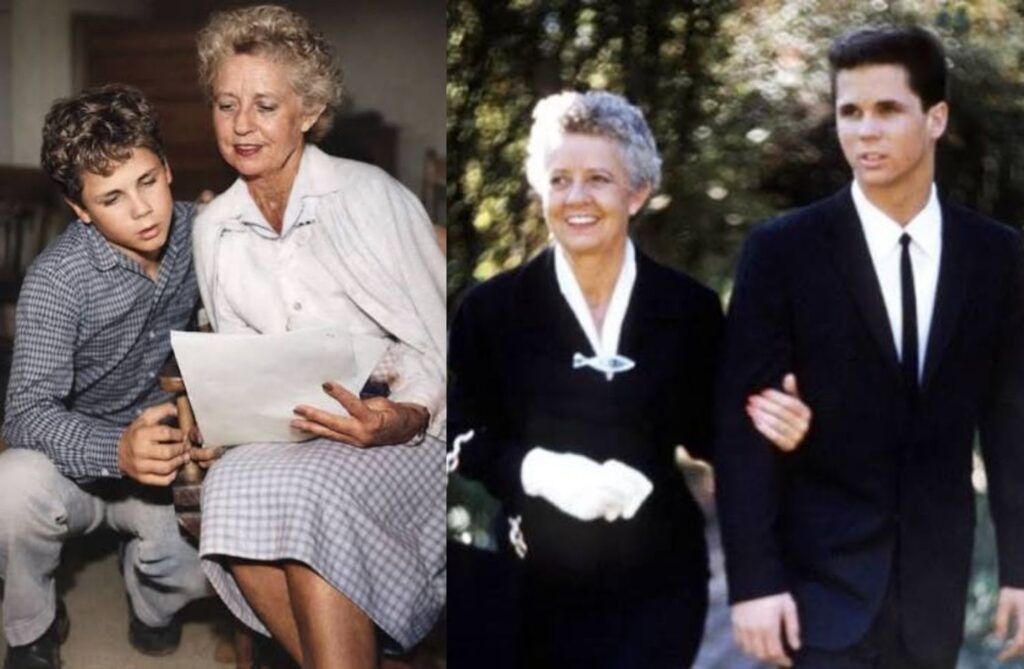
Tony Dow, Muriel Montrose’s younger son, became famous as Wally Cleaver on the classic television sitcom Leave It to Beaver. The series premiered in 1957 and became one of the defining family programs of early American television. Tony’s portrayal of Wally made him a familiar face to generations of viewers. Muriel’s connection to his career is especially significant because she reportedly served as his manager. This means her influence extended beyond the private role of a parent into the professional world that she herself had experienced decades earlier. Tony later developed interests beyond acting, becoming a sculptor and director, among other pursuits. His career created a bridge between Muriel’s silent-film-era experiences and the television era that followed. Through Tony, Muriel became part of the family history of one of America’s best-remembered television programs.
Muriel Montrose as Tony Dow’s Manager
Serving as Tony Dow’s manager gave Muriel Montrose a second significant role in entertainment after her own early career. Her familiarity with Hollywood likely helped her understand the pressures associated with working in the industry, particularly when her son was a young performer. Managing a child actor requires balancing professional opportunities with family responsibilities, and Muriel was in a position to understand both sides of that equation. Tony’s success on Leave It to Beaver made the family name more recognizable, but Muriel herself continued to remain comparatively private. Her managerial role is therefore an important part of her biography because it demonstrates that her involvement with entertainment did not simply end when her acting and stunt work declined. Instead, she remained connected to the industry through her son’s career and helped support his transition into professional television.
Muriel Montrose’s Later Life
After her husband John Stevens Dow died in 1987, Muriel Montrose lived a quieter life away from the spotlight. Accounts of her later years describe her as enjoying gardening and baking cookies for children in her neighborhood. These details create a striking contrast with her adventurous early career as a silent-film performer, body double, and stunt woman. Rather than continuing to seek publicity, she apparently focused on ordinary community activities and family life. Her later years demonstrate how dramatically a person’s priorities can change over the course of a long life. Muriel had lived through the birth of Hollywood, the transition from silent movies to sound, the rise of television, and her son’s emergence as a television star. By the end of her life, she had become more closely associated with family and neighborhood life than with the entertainment industry.
Muriel Montrose’s Death at Age 94
Muriel Montrose died on April 30, 2001, in Monterey, California, at the age of 94. Her long life covered almost the entire development of American film and television during the twentieth century. Born in 1906, she entered entertainment during the silent era and later witnessed the growth of sound cinema, the studio system, television, and the emergence of new generations of performers. Her death therefore marked the passing of someone whose personal timeline intersected with several major periods in entertainment history. Public records and biographical sources consistently identify April 30, 2001 as her date of death and 94 as her age. Although she was not a major star herself, her life remained connected to notable figures and productions, particularly through Mack Sennett, Clara Bow, Broadway, and her son Tony Dow.
Muriel Montrose’s Legacy in Hollywood History
The legacy of Muriel Montrose is more interesting than her relatively short filmography might initially suggest. She participated in several areas of early entertainment, including acting, modeling, body doubling, stunt work, and Broadway performance. Her career also provides a window into the opportunities available to women in the developing film industry during the 1920s. In addition, her life connects two distinct generations of entertainment: silent-era Hollywood and postwar American television. Her son Tony Dow became famous on Leave It to Beaver, creating a direct family bridge between those eras. Muriel’s story is consequently valuable not because she became one of Hollywood’s biggest stars, but because she represents the many working performers whose contributions were important even when their names did not dominate movie posters. Her career reflects adaptability, resilience, and participation in a rapidly changing industry.
Why Muriel Montrose Still Attracts Interest
Interest in Muriel Montrose continues because her life intersects with several recognizable names and periods of entertainment history. Searches for her often lead readers to Tony Dow, Leave It to Beaver, Mack Sennett, and Clara Bow. Her story is also appealing because it demonstrates how early Hollywood careers could take unexpected directions. She began as a teenage performer, became associated with Sennett’s bathing beauties, worked as Clara Bow’s body double, appeared in films and Broadway productions, and later became a stunt performer. She then shifted toward family life and eventually helped manage her son’s career. That sequence makes her biography unusually varied. Modern audiences may know her primarily as Tony Dow’s mother, but the historical record shows that she had her own professional identity decades before her son became a television star.
Conclusion: Muriel Montrose’s Life and Legacy
Muriel Montrose lived a remarkable 94-year life that stretched from the earliest decades of American cinema into the modern television era. Born May 27, 1906, in Denver, she moved to California as a teenager and entered entertainment at about 17, when Mack Sennett reportedly discovered her. She became one of his bathing beauties, worked as a Clara Bow body double, appeared in several silent films, performed on Broadway, and later worked as a stunt woman in Westerns. Her personal life eventually centered on her marriage to John Stevens Dow, their two sons, and especially her son Tony Dow. After her husband died in 1987, Muriel lived quietly, enjoying gardening and community life. She died on April 30, 2001, leaving behind a fascinating connection between early Hollywood and classic television.
Frequently Asked Questions About Muriel Montrose
Who was Muriel Montrose? Muriel Montrose was an American actress, stunt performer, Broadway performer, and former Mack Sennett bathing beauty who worked in entertainment during the 1920s. Born Muriel Virginia Montrose in Denver in 1906, she entered Hollywood as a teenager after her family moved to California. She became associated with producer Mack Sennett and reportedly worked as a body double for silent-film star Clara Bow. Her surviving screen credits include Heart Trouble, Soldier Man, Hubby’s Quiet Little Game, and The Jolly Jilter. She also appeared on Broadway and later worked as a stunt woman in Western productions. She eventually became better known publicly as the mother and manager of actor Tony Dow, who played Wally Cleaver on Leave It to Beaver.
When was Muriel Montrose born? Muriel Montrose was born on May 27, 1906, in Denver, Colorado. Her birth name was Muriel Virginia Montrose, and available biographical records identify her parents as Alice Lee Anders and James Fay Montrose Sr. Her family moved to California during her teenage years, placing her near the developing Hollywood entertainment industry. By approximately age 17, she had reportedly been discovered by producer Mack Sennett and entered the world of silent-film entertainment. Her early entry into Hollywood meant that she experienced the industry during a formative period when short comedies, silent features, stage productions, and physical performance were especially important. She remained connected to entertainment in different ways throughout her life, including through her son Tony Dow.
Was Muriel Montrose a Mack Sennett bathing beauty? Yes. Biographical sources identify Muriel Montrose as one of Mack Sennett’s bathing beauties after he reportedly discovered her at around 17 years old. Sennett’s bathing beauties were associated with his studio’s promotional and entertainment productions and became an identifiable part of 1920s Hollywood culture. Muriel’s association with the group provided her with an early entry into professional entertainment. She subsequently developed experience beyond the bathing-beauty role, including film appearances, body-double work, Broadway performances, and stunt work. Her career therefore cannot be reduced to her association with Sennett’s bathing beauties. Instead, that experience appears to have been the beginning of a broader entertainment career during the silent-film era.
Did Muriel Montrose work with Clara Bow? Yes. Muriel Montrose is reported to have worked as a body double for Clara Bow, one of the most famous actresses of the silent-film era. Body doubles could be used when productions required a performer who could substitute for a star during certain shots or physical sequences. This work would have required Muriel to resemble Bow sufficiently from the camera’s perspective and to perform whatever action the production required. Although detailed surviving records about the individual scenes are limited, the connection is repeatedly included in biographies of Muriel. Her work as Bow’s double is particularly notable because it places her directly alongside one of the defining personalities of 1920s Hollywood and demonstrates that her career involved more than conventional acting appearances.
Who was Muriel Montrose’s son? Muriel Montrose’s best-known child was Tony Dow, the actor who played Wally Cleaver on the classic television series Leave It to Beaver. Tony became a recognizable child and teenage television star after the program premiered in 1957. According to biographical records, Muriel later served as his manager, meaning she had a direct professional role in supporting his entertainment career. Tony eventually expanded beyond acting into directing, writing, and sculpture. His career gave Muriel a second major connection to the entertainment industry after her own early work. The relationship also created a bridge between two different periods of American entertainment: Muriel’s silent-film and early-stage experiences in the 1920s and Tony’s rise to television fame during the 1950s.
When did Muriel Montrose die? Muriel Montrose died on April 30, 2001, in Monterey, California, at the age of 94. Her life spanned almost the entire twentieth century and included major transformations in American entertainment. She entered the industry during the silent-film era, witnessed the transition to sound and the development of Hollywood’s studio system, and later saw television become a dominant form of entertainment through the career of her son Tony Dow. During her final years, she reportedly lived a relatively quiet life focused on gardening, baking, family, and her neighborhood rather than pursuing public attention. Her death brought to an end the life of a woman whose career and family history connected early Hollywood with one of the most recognizable eras of American television.
